Why Your AC Smells Weird the First Time You Turn It On | Daphne, AL
Identify warning signs before trying to identify the cause. Burning or gas-like odors need prompt safety action; recurring mustiness needs investigation rather than a timed wait.
An unfamiliar smell when cooling starts deserves attention. Note the kind of odor and when it occurs, but do not keep running equipment just to see whether a burning smell goes away. For smoke or fire, leave and call 911. For a rotten-egg or suspected gas smell, follow the emergency instructions below.
Why Your AC Smells Musty or Moldy After Sitting All Winter
A musty odor can be associated with moisture, dirty components or a drainage problem. The smell alone does not identify mold or prove where it is coming from. Report whether it occurs only during cooling, in particular rooms or at other times as well.
There is no waiting period that makes an unidentified odor safe. Arrange an inspection for persistent or recurring mustiness or visible moisture. Do not run the HVAC system if you know or suspect that it is contaminated with mold; have the situation assessed. EPA explains why moisture control matters; correcting a moisture source is different from masking the smell.
If the designated air filter is safely accessible, inspect it with the system off as its instructions require. Use the correct size and type. A replacement filter does not establish that a moisture or contamination problem has been resolved.
That Burning or Electrical Smell — When to Worry
Do not treat a burning smell during cooling as a normal startup condition. If there is smoke, fire or immediate danger, leave the area and call 911.
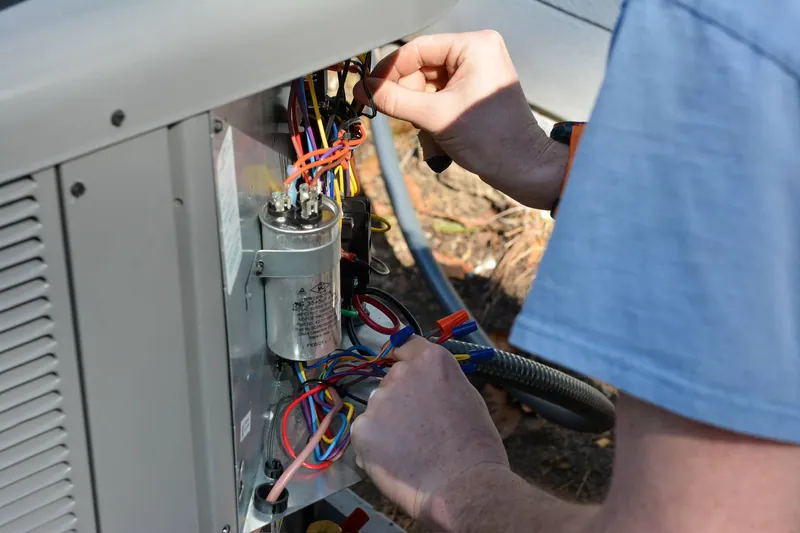
For an electrical burning smell without fire, keep clear and stop operation using the thermostat only if it is safely accessible. Arrange qualified service before restarting. Do not open electrical compartments or attempt to diagnose an AC component by smell. Carrier identifies electrical odors as a warning sign.
From a safe place outside the grille, note visible debris or damage. Do not put a hose, hand or tool inside, remove a panel or attempt internal cleaning. Ask for the care method appropriate to the equipment.
The Rotten Egg or Sewage Smell Nobody Wants
A rotten-egg odor may indicate natural gas. Do not assume the cause is a dry condensate trap, plumbing or the AC.
Leave the area immediately. Do not operate lights, switches, appliances or a phone in the suspected gas area. From a safe location, call the gas utility’s emergency line or 911 and stay away until told it is safe. Spire gives gas-emergency instructions and contact numbers.
After an emergency hazard has been ruled out, a qualified professional can investigate persistent sewage or decay odors. Describe where and when the smell occurs; do not open ducts or pour water into an unidentified line as a diagnostic test.
The “Dirty Socks” Smell That Comes and Goes
A recurring sour or locker-room odor is sometimes called “dirty sock syndrome.” The label describes a smell; it does not identify an organism or prove that one cleaning method will solve it.
Tell the technician whether the odor appears during a change between heating and cooling, on startup or throughout operation. That history can help guide inspection of coils, drainage and other possible sources.
Ask what inspection or cleaning is proposed and whether it is appropriate for the equipment. If discussing an existing maintenance plan tune-up, check the current agreement for included work. Confirm whether the proposed work includes coil treatment and what follow-up is available if the odor returns.

How to Prevent AC Smells Next Year
After the cause is identified, ask which maintenance steps are suitable for your system.
- Follow the equipment’s filter and service instructions, including for the heating system.
- Ask how the drain and pan should be maintained. Do not add chemicals or tablets without the applicable instructions.
- Report recurring water or odors instead of relying on fragrance or repeated cleaning.
- Do not run cooling in winter solely because of a generic calendar tip; follow the equipment’s operating limits.
Frequently Asked Questions
Is it normal for my AC to smell when I first turn it on in spring?
An unfamiliar smell is not automatically normal after a seasonal shutdown. A persistent or recurring odor needs assessment. Burning or gas-like smells require prompt safety action; do not run the system for a fixed number of minutes to test whether they disappear.
How much does it cost to get an AC coil cleaned in Daphne?
Ask for a written scope and price based on the coil type, condition and access. Confirm whether cleaning is included in your actual service agreement. Compare the included work and total cost before deciding.
Can a bad AC smell make my family sick?
An odor does not diagnose the cause of symptoms or establish that a home is safe. If someone has breathing difficulty or another medical emergency, seek urgent medical help. Discuss health concerns with a clinician and arrange appropriate investigation of persistent moisture or suspected contamination.
For an equipment concern at your Daphne home, call (251) 751-9908. Aim is open 24/7/365 with no after-hours fees. Call to confirm same-day availability, the visit window and any service-call charge. An HVAC appointment does not replace emergency assistance.
LET’S TALK ABOUT YOUR HOME
Make the next step a clear one.
Tell us about your equipment and the change you have noticed.
Open 24/7 · 365 days a year · No after-hours fees
Call to confirm same-day availability. For an installation estimate, choose “Get A Free In-Home Estimate” in the booking menu.