AC Sat All Winter What Can Go Wrong in Spanish Fort
Starting, drainage, filter and outdoor-condition checks deserve different attention. Know what to observe and when to stop and arrange help.
If cooling has not been used for a while, the first warm day is a useful time to notice how the system responds. It may start normally, make an unfamiliar sound or fail to cool. This guide explains observations to share when arranging service in Spanish Fort.
A system that cooled last season may still need attention now. Note when cooling last worked normally and whether anything has changed since then.
Starting Components May Need Testing
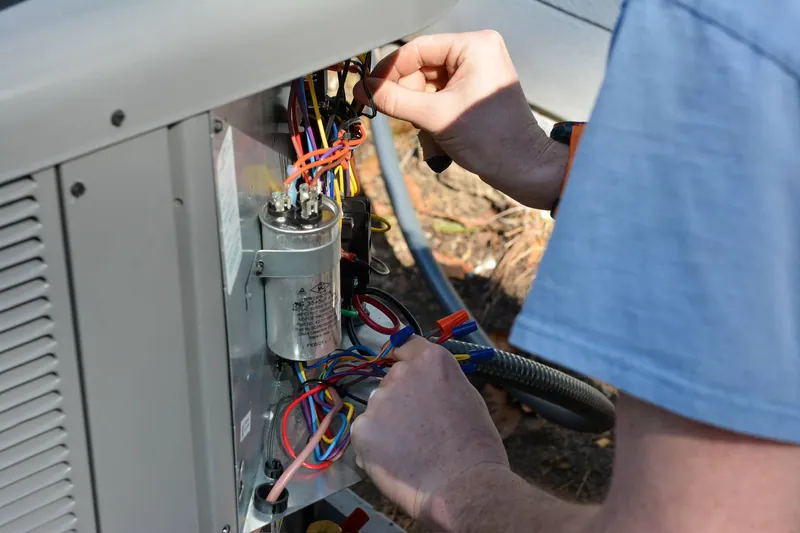
Some equipment uses start or run capacitors as part of its motor circuit. The arrangement depends on the equipment. Humming, a stalled fan or failure to start can have several causes, so the sound does not prove a capacitor has failed.
A technician can check the electrical components against the equipment requirements. Do not remove the cabinet or handle a capacitor; stored electrical charge can remain after power is disconnected.
Report whether the thermostat calls for cooling, the indoor fan operates, the outdoor equipment starts, and any unusual sound or smell. Observe from a safe distance without reaching through the grille.
If the unit hums without starting or develops an unusual electrical symptom, stop trying to run it and arrange AC repair. Ask for a diagnosis and written repair price.
Cooling Problems Need an Actual Refrigerant Assessment
Poor cooling does not reveal the amount of refrigerant in a system. Airflow, controls and other equipment conditions can produce similar symptoms. Tell the technician when the problem first appeared and whether it has changed.
A technician can establish whether the charge is appropriate and investigate a suspected leak. Ask what the measurements show and whether any leak investigation is needed.
Persistent poor cooling deserves assessment. If ice is visible, leave cooling off and arrange service. Do not open the unit, chip ice away or handle refrigerant. Record where the ice is visible and whether airflow has changed.
Ask what measurements support the findings and what the repair, leak investigation and any charging work will include. Review the scope and price before authorizing work.
Look for Debris or Pest Activity From Outside the Cabinet
From a safe distance, look for debris, visible damage or signs of pests around the equipment. Do not remove panels to look for nests.
If you see pest activity or possible wiring damage, keep away from it. Report what you saw when arranging service.
Keep the area accessible for service. Follow the unit’s instructions for clearances and safe outdoor care; do not put hands or tools through a grille or disturb a nest.
If damage is visible, leave the equipment off and arrange professional HVAC service in Spanish Fort before trying it again.
Watch for Drainage Problems
Cooling equipment can produce condensate that needs a functioning drain. Water where it does not belong is worth reporting.
A blockage or other drainage defect may need inspection. Tell the technician where and when you saw water.
If you find a leak or water around the indoor equipment, stop using the system when safe and arrange help. Stay away from water near electrical equipment. Note the location without entering an unsafe attic or opening the unit.
Follow the equipment’s maintenance instructions for drain care. If you do not know the correct access point or procedure, have a technician inspect it.

Check the Filter’s Actual Condition
Find the filter size, type and last service date if those records are available. A heating system may have used the same air path over winter, so cooling season alone does not establish filter age or condition.
Inspect a safely accessible filter according to the equipment instructions. If it is dirty or due for replacement, use a compatible replacement. Ask for help if the filter location or correct type is unclear.
A filter’s MERV rating, dimensions and resistance need to suit the system. Ask the technician about compatible options and the inspection schedule.
If you have or are comparing a maintenance agreement, read its current visit scope, fees, exclusions and scheduling terms. Planned maintenance can also be requested without joining a plan.
Frequently Asked Questions
How long should I wait after turning on my AC for the first time?
Follow the equipment instructions, including startup delays. If it does not respond normally or cooling fails to progress, arrange service. Stop using it promptly for burning smells, smoke, sparking, visible damage or other concerning symptoms.
Should I run my AC during winter to keep it working?
Do not run cooling just to keep capacitors charged. Use the equipment only within its manufacturer-approved operating conditions, and ask the technician about the appropriate off-season maintenance for your model.
What’s the most expensive thing that can go wrong on the first run?
The repair cost depends on the actual fault, equipment and scope. Ask for a diagnosis and written options before authorizing work.
If cooling startup brings unusual noise, poor cooling or unexpected water, call (251) 751-9908. Confirm availability for your Spanish Fort address and ask about diagnostic charges. We can discuss the findings and proposed work before you decide.
LET’S TALK ABOUT YOUR HOME
Make the next step a clear one.
Tell us about your equipment and what you have noticed.
Open 24/7 · 365 days a year · No after-hours fees
Call to confirm same-day availability. For an installation estimate, choose “Get A Free In-Home Estimate” in the booking menu.